
Something very interesting is happening quietly inside Nigeria’s business space right now.
Did you notice brands are no longer depending entirely on third-party influencers or celebrity endorsements to market their products online? Instead, many of these companies are building their own internal content teams.
Why? Content creation tools got easier. Content distribution became practically free. But honestly, that’s only a small part of the story.
In this Bold Beautiful Naija guide, we break down why businesses are now hiring creators directly into their offices as full-time staff, how social media completely changed the corporate marketing power structure, and why this shift is quietly reducing the leverage of traditional celebrity advertising across Nigeria.
The End of “Renting Attention”
In case you missed it, the entire relationship between brands and social media has completely flipped.
Businesses are starting to realize they no longer need to “borrow” audiences the same way they did years ago.
Before, if a company wanted reach online, the fastest option was simple: find a celebrity or influencer with a large following and pay for access to their audience. That system worked because creators controlled most of the internet attention.
But social media platforms changed the game completely.
Today, brands can build their own pages, run targeted ads, create daily content, collect customer data, and communicate directly with consumers without waiting for influencers to post for them first.
And from a business perspective, that makes far more sense long-term.
Because every video uploaded to their own page, every email collected, every follower gained, and every customer interaction now becomes a business asset the company fully controls internally.
Gen Z Quietly Changed Corporate Marketing
A huge reason this shift is happening so fast is because of Gen Z.
This generation grew up online. They understand internet culture naturally. Short-form videos, memes, trending sounds, storytelling, editing apps, audience retention, comment culture — all of it feels normal to them.
And businesses know this.
That’s why many Nigerian companies are no longer looking at social media as just a side department handled by one random staff member. They are now actively hiring younger employees specifically because they know how to communicate online properly.
Today, it’s becoming normal to see brands hiring:
TikTok managers.
Content strategists.
In-house videographers.
Community managers.
Social media presenters.
Even regular office staff who simply know how to speak comfortably on camera.
Because modern marketing is no longer only about polished advertisements.
It’s about relatability.
And honestly, many brands are realizing that one smart Gen Z staff member with a phone can sometimes generate more engagement than an expensive celebrity campaign.
Big Celebrities Became Expensive — and Difficult
There’s another reality many businesses are quietly talking about behind closed doors:
Many of the big names have become extremely expensive to work with.
And for many small or mid-sized Nigerian brands, the numbers simply no longer make sense.
Between management fees, appearance costs, delayed responses, complicated negotiations, content approvals, and tight schedules, influencer campaigns can quickly become stressful before the marketing even starts.
Now add another problem:
Many celebrities are juggling multiple sponsorships at once.
So audiences are beginning to pay less attention because every week feels like another advertisement. One day it’s a betting platform. Next week it’s skincare. Then fintech. Then real estate.
The trust starts weakening.
And businesses are noticing this fatigue.
That’s why many brands are starting to prefer internal creators and staff personalities who can consistently create relatable content daily without the huge financial pressure or complicated back-and-forth that often comes with celebrity campaigns.
Because from a business perspective, control, speed, and consistency are becoming more valuable than status alone.
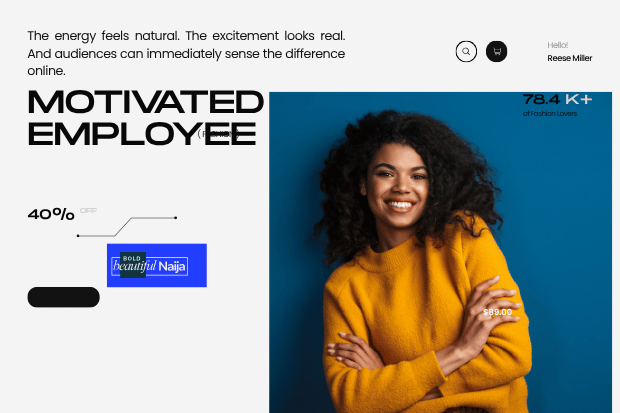
Nothing Beats a Motivated Employee
At the end of the day, one thing many companies are discovering is this:
Nothing markets a business better than a highly motivated employee who genuinely believes in the product they are selling.
Because when the internal culture is right, content stops feeling forced.
The energy feels natural. The excitement looks real. And audiences can immediately sense the difference online.
That’s why founder videos, staff-led TikToks, office skits, behind-the-scenes clips, and casual workplace content are suddenly performing so well across Nigerian social media. People enjoy seeing real humans connected to the business, not just polished advertisements pushed by celebrities collecting sponsorship money.
And from the company’s side, it’s a massive advantage.
Employees already understand the products, the customers, the daily operations, and the brand values deeply. They don’t need weeks of onboarding before creating content because they already live inside the business itself.
When that internal culture is strong, marketing becomes faster, cheaper, more authentic, and far easier to sustain long-term.
In-House Teams Plus Targeted Ads Is Becoming the Winning Formula
And this is where things become even more difficult for traditional influencer marketing.
Because when you combine a strong in-house content team with targeted social media advertising, the results can become incredibly powerful.
Think about it.
The internal team already understands the brand deeply. They can create content daily, respond quickly to trends, explain products naturally, and build trust consistently over time.
Then the business takes that content and pushes it through highly targeted ads on Instagram, Facebook, TikTok, YouTube, or Google.
Now instead of hoping a celebrity’s followers might care about the product, the platforms themselves deliver the content directly to people already interested in that category.
That changes everything.
A skincare brand can target people actively searching for skincare.
A real estate company can target high-income earners.
A food business can target people within specific locations immediately.
From a business perspective, this system is simply more efficient, more controllable, and often far more profitable long-term than depending entirely on influencer visibility alone.
Big Creators Still Matter — But the Strategy Changed
Now, this doesn’t mean brands will completely stop working with big creators or celebrities.
Far from it.
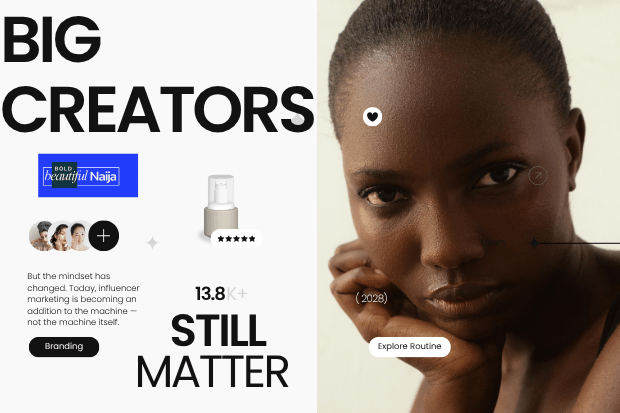
Established influencers still bring massive visibility, cultural relevance, and social proof when the right campaign needs extra attention. A major product launch, nationwide awareness campaign, or high-profile brand announcement can still benefit heavily from celebrity reach.
But the mindset has changed. Today, influencer marketing is becoming an addition to the machine — not the machine itself.
Summary
Businesses are no longer building their entire marketing structure around influencers alone. Instead, many brands now see celebrity partnerships as support tools rather than the foundation of the business itself.
The real engine is usually happening internally:
The in-house team creates consistent content.
The company builds direct audience relationships.
Targeted ads handle distribution.
Then, when necessary, a big creator is brought in strategically to amplify momentum.
That’s a completely different system from the old days when brands depended almost entirely on celebrities for visibility online.
Disclaimer
This article is for educational and informational purposes only. It reflects general observations about Nigeria’s evolving creator economy, digital marketing industry, and social media business trends. It should not be treated as financial, legal, employment, or business advice. Always conduct independent research and consult qualified professionals before making major commercial or marketing decisions.
Up Next
How to Cold Pitch Premium Brands Without Looking Desperate.