
For the past, let’s say decade, Nigerian brands owners believed the formula was simple:
Find the biggest celebrity possible. Pay them millions. Watch sales explode.
But something is changing fast.
Small businesses are becoming far more careful with influencer marketing budgets. And many of them are quietly moving away from expensive celebrity endorsements completely.
Why? We’ll get to the reasons shortly. And honestly, some of them may shock you.
In this Bold Beautiful Naija guide, we break down why brands are rethinking celebrity endorsements; and what creators must do to stay valuable in today’s sponsorship economy.
The Internet Changed the Power Dynamic Completely
Let’s kick off with the newest trend you might be missing. One major reason small Nigerian brands are moving away from expensive celebrity endorsements is simple:
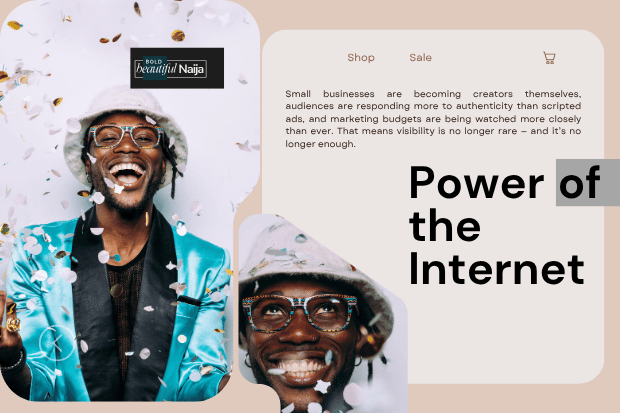
They no longer depend entirely on celebrities to get attention online.
Ten years ago, social media marketing looked very different. Most businesses had no idea how to create engaging content themselves. So the only option was paying celebrities with massive audiences to promote products.
But today?
Everybody is becoming a creator.
Brand owners are now learning how to sit in front of cameras, tell stories, go live, and market their businesses directly online. Many companies now even hire younger staff members specifically because they understand TikTok, Instagram, content editing, or online storytelling.
And honestly, this changes everything.
Because if a business can generate decent engagement, explain its products properly, and build trust internally, it becomes much harder to justify paying huge celebrity fees for basic visibility.
Especially when audiences are starting to prefer authentic founder-driven content over heavily scripted celebrity ads.
That’s why many brands are asking themselves a very uncomfortable question now:
Why spend millions on influencer marketing for something we can increasingly do ourselves?
Followers Don’t Guarantee Buying Power
At the core of this entire shift is a simple misunderstanding most people still have about social media:
They confuse fame with influence.
But in reality, they are not the same thing.
Fame means people know you.
Influence means people act because of you.
And in today’s Nigerian digital economy, brands are slowly learning that difference the hard way.
Social Media Campaigns Convert Better Than Influencers
Here’s another shift most creators don’t fully understand yet: social media campaigns are often converting better than influencer posts.
The reason is simple. Platforms like Instagram, Facebook, TikTok, and X now run highly advanced ad systems that don’t just show content randomly. They target people based on behavior, interest, search history, and buying intent. That means a skincare ad can be shown directly to people already searching for skincare solutions, not just whoever happens to follow a celebrity.
Business owners know this. They are no longer relying only on a celebrity’s audience and hoping for conversions. They are combining influencer visibility with precision-targeted ads that reach the exact type of customer most likely to buy.
This is why influencer reach alone is losing power. A celebrity might have millions of followers, but only a fraction are actually interested in the product. Meanwhile, a well-run campaign can reach fewer people but generate far more sales.
How Creators Can Shift From “Famous” to “Marketable”
Now that you understand what’s really happening behind the scenes with brands and celebrity endorsements, the next question becomes more important:
Where do creators go from here?
Because in today’s Nigerian creator economy, being known is no longer the main advantage. Almost everyone is “known” in some capacity. Viral clips, trending moments, and social media exposure have made visibility cheap.
But visibility alone, as we’ve discussed, doesn’t close deals anymore.
And this is where most creators miss it. They keep building an entertainment identity — funny clips, lifestyle flex, viral moments — but brands are buying commercial identity. They want clarity and trust. They want to instantly understand: what do you represent, who follows you, and why should those people care about this product?
If a brand has to “figure you out,” you’ve already lost the deal. Confusion kills sponsorship faster than low followers ever will. Because marketers don’t have time to decode your page before a campaign.
The shift is this: move from being known for everything to being positioned for something. That could be lifestyle, comedy, fashion, tech, food, or storytelling; but it must be clear.
Brands don’t reject creators for being small. They reject creators who are hard to position. In today’s sponsorship economy, being marketable beats being popular.
Becoming a Brand’s Sales Partner, Not Just Their Billboard
Now that positioning is clear, the next evolution is even more important: you must stop thinking like a paid billboard and start operating like a brand’s sales partner.
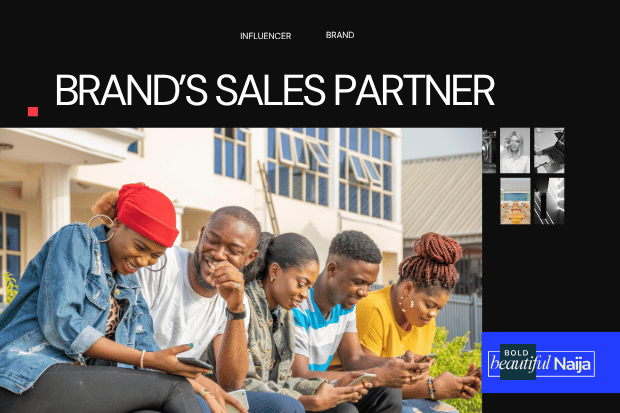
This is the shift most creators are still resisting. For years, influencer marketing in Nigeria was simple: post a picture, tag the brand, collect payment. But that model is dying fast. Brands are no longer impressed by impressions alone.
That’s why the smartest creators are changing their approach. Instead of saying “pay me for posts,” they are saying “I can help you move product.” This immediately changes your value in the eyes of a business owner. You are no longer just visibility—you are revenue potential.
This is where tools matter. Affiliate links, tracked discount codes, landing pages, and measurable campaigns are becoming the new standard. They turn influence into proof. And proof is what gets you renewed contracts.
One-off deals are becoming less powerful. Long-term partnerships are the real game now, because brands want consistency they can measure over time, not random spikes they can’t explain.
Creators who survive this shift don’t just influence audiences. They generate revenue the brand can actually trace back to them. And in today’s market, that changes everything.
What This Shift Really Means
As you can see, the creator economy in Nigeria is changing fast, and most people are still playing the old game. Brands are no longer impressed by celebrity status or big follower counts alone. They are now focused on one thing: measurable results.
Small businesses are becoming creators themselves, audiences are responding more to authenticity than scripted ads, and marketing budgets are being watched more closely than ever. That means visibility is no longer rare — and it’s no longer enough.
The real winners in this new system are creators who understand three things: clarity in positioning, trust in audience perception, and proof of actual sales impact. Fame gets attention, but attention without conversion has little commercial value today.
In simple terms: the industry is shifting from “who is seen the most” to “who drives real business results.”
Disclaimer
This article is for educational and informational purposes only. It reflects general observations about influencer marketing, brand partnerships, and the creator economy. It does not constitute financial, legal, or business advice. Readers are encouraged to conduct their own research and consult qualified professionals before making any commercial or financial decisions related to branding, marketing, or partnerships.
Up Next
Read next: Why Brands Are Building In-House Marketing Teams in 2026.