
One of the biggest misconceptions in Nigeria’s creator economy is that sponsorships only happen when a company slides into your DMs or sends a formal email.
Not true.
Some of the most valuable brand partnerships begin because a creator made the first move.
But here’s the problem: Most cold pitches fail before they are even opened.
Why? We’ll reveal those shortly.
In this Bold Beautiful Naija guide, you’ll learn how to contact big Nigerian brand owners professionally, avoid the mistakes that get ignored, and give yourself a genuine shot at landing bigger deals.
Why Most Creators Get Ignored Before Brands Even Read Their Pitch
Let’s kick things off with an uncomfortable truth:
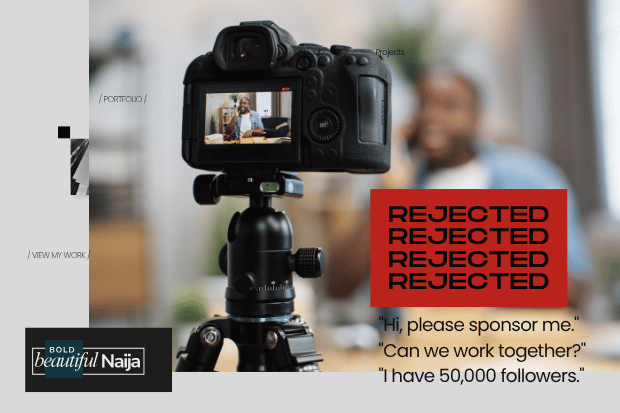
Figure 1: The creators who get replies aren’t always the biggest. They’re the ones who clearly communicate business value.
Most creators don’t lose sponsorship opportunities because of a bad email. They lose them long before the email is ever sent.
The problem is usually positioning.
Think about it from a brand’s perspective. Every week, marketing managers receive messages from creators asking for partnerships, sponsorships, collaborations, and ambassador deals. The majority sound exactly the same:
“Hi, please sponsor me.”
“Can we work together?”
“I have 50,000 followers.”
A careful look at these requests shows none tells the brand why they should care.
In case you forgot, businesses are not looking for people who need money. They are looking for people who can help them achieve a business objective.
That means before they look at your follower count, they are evaluating something else first: risk.
Does your content align with their image? Is your audience relevant to their customers?
Can they confidently attach their brand to your reputation? These questions matter far more than most creators realize.
Because follower count alone doesn’t make you valuable. Business value does.
Brands don’t ignore creators because they’re small. They ignore creators who fail to show a clear reason why a partnership makes commercial sense.
And if your value proposition isn’t obvious within seconds, your pitch is already fighting an uphill battle.
Research the Brand Like a Salesperson
Since you know what not to send, and you can’t work with every brand, the next step is learning how to identify the right opportunities.
Figure 2: The more you understand a brand before pitching, the more relevant and effective your proposal becomes.
This is where most creators get lazy.
They copy the same pitch, change the company name, and blast it to twenty different brands hoping one replies.
Brands can spot this immediately.
Before you contact any company, spend time understanding the business. Who are they trying to reach? What products are they pushing right now? What kind of content are they posting? Which creators are they already working with?
These questions matter because they help you stop thinking like a creator and start thinking like a sales professional.
For example, there’s a huge difference between:
“I would like to work with your company.”
And:
“I noticed you’re investing heavily in Gen Z-focused TikTok content. My audience is primarily Nigerian university students between 18 and 25, and I believe there’s a strong alignment.”
One feels generic.
The other feels informed.
More importantly, look for gaps. Maybe the brand is strong on Instagram but weak on TikTok. Maybe they’re targeting women but struggling to connect with younger audiences. Maybe they’re launching a new product line that fits perfectly with your niche.
The more specific your pitch feels, the less it feels like a pitch.
And the more it feels like a business opportunity.
Stop Pitching Yourself. Pitch Outcomes.
Once the goals are in sync, the next mistake creators make is talking too much about themselves.
Figure 3: Nigerian brands don’t pay for followers alone. They pay for awareness, trust, leads, sales, and audience access.
Nigerian brand owners don’t wake up looking for content.
They don’t sit in meetings saying, “We need more creators.”
What they actually want is awareness. Leads. Sales. Trust. Market penetration. Community access.
Content is simply one of the tools used to get there.
This is why many sponsorship pitches fail. The creator spends the entire email talking about follower counts, engagement rates, personal achievements, and how hard they’ve worked.
Meanwhile, the brand is thinking:
“How does any of this help us?”
Instead of saying:
“I have 100,000 followers.”
Try saying:
“I help Nigerian beauty brands reach young female consumers between 18 and 30.”
Notice the difference.
The first statement describes you while the second describes a business outcome.
And business outcomes are what companies pay for.
The strongest pitches position the creator as a solution to a problem. Maybe you help brands reach Gen Z audiences. Maybe you drive conversations around technology. Maybe you influence purchasing decisions in fitness, fashion, food, or beauty.
Whatever it is, make it clear. Because Nigerian brand owners don’t buy creators.
They buy solutions.
Don’t Make the Mistake of Outpricing Yourself
There’s another mistake that kills more potential partnerships than most creators realize:
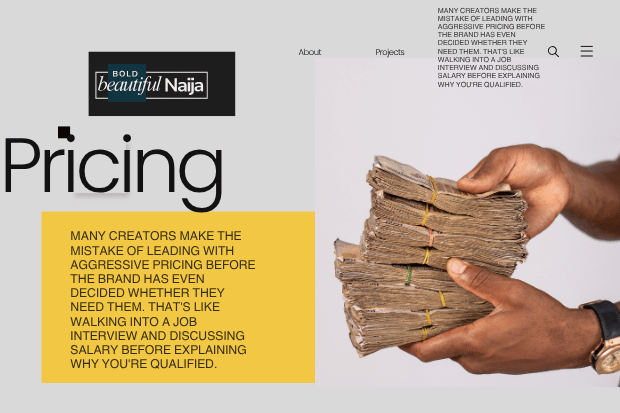
Figure 4: Smart creators sell the opportunity first and discuss pricing after the value is understood.
Pricing yourself out of the conversation before the relationship even begins.
Remember, this is a cold pitch.
The brand didn’t approach you. You’re approaching them.
That doesn’t mean you should work for free or undervalue yourself. It simply means you should understand where you are in the sales process.
Many creators make the mistake of leading with aggressive pricing before the brand has even decided whether they need them. That’s like walking into a job interview and discussing salary before explaining why you’re qualified.
Premium brands are willing to pay premium rates.
But first, they need to see the value.
Focus on demonstrating audience fit, commercial relevance, and the results you can help create. Once a brand sees a genuine opportunity, pricing becomes a much easier conversation.
What To Do When They Say No
You are not going to land every deal. In fact, there’ll be more rejections than the yeses. And the nos are a crucial part of the game.
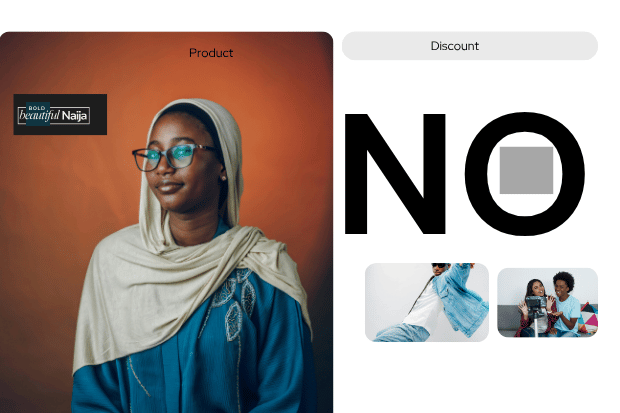
Figure 5: A rejection isn’t always the end of a conversation. Sometimes it’s the beginning of a future partnership.
Stop assuming every rejection means the brand isn’t interested.
That’s rarely the full story.
Sometimes the budget for that quarter is already exhausted. Sometimes the campaign calendar is fully booked. Sometimes they’re already committed to another creator. And sometimes, your pitch simply arrived at the wrong time.
Timing matters far more than most people realize.
This is why you should never burn bridges after a rejection. Thank them for their time. Stay professional. Keep following the brand. Continue improving your content. Then revisit the conversation a few months later when circumstances may have changed.
A “no” today can become a “let’s talk” six months from now.
Even if a partnership never happens, you can still gain something valuable. Feedback. Referrals. New contacts. Industry insights. Relationship equity. So chin up and putting the good work.
Summary: Nigerian Brands Buy Confidence, Not Desperation
Cold pitching is never about begging brands for opportunities but presenting a business case.
The creators who win sponsorships consistently understand this. They position themselves properly before reaching out. They research brands before emailing. They focus on outcomes instead of follower counts. They build relationships instead of chasing transactions. And they stay patient when opportunities don’t arrive immediately.
Most importantly, they understand that big brands are looking for professionalism, clarity, and commercial value.
Disclaimer
This article is for educational and informational purposes only. The strategies discussed are based on general observations within the creator economy, influencer marketing, and brand partnership space. Sponsorship outcomes will vary depending on your niche, audience, positioning, and market conditions. Always conduct your own research and seek professional advice where necessary.
Up Next
How Much Should Nigerian Creators Charge for Sponsorship Deals?