
Let’s start with a question.
The artist with an incredible song that nobody hears…
Or the artist with a decent song that everybody hears?
Who wins? You already know the answer.
Because the music industry answers that question every single day.
Here’s what’s happening:
- More music is being released than ever before.
- Everyone has access to Spotify, Apple Music, TikTok, and YouTube.
- Recording a song is easier than it has ever been.
Today on Bold Beautiful Naija, we’re unpacking why music promotion is becoming one of the most valuable assets in modern music and why some of the biggest artists in the world are now investing as much energy into music marketing as they do into making the music itself.
Talent Is Everywhere Nowadays
Twenty years ago, having talent was enough to separate you from the crowd.
Today?
The crowd is talented too.
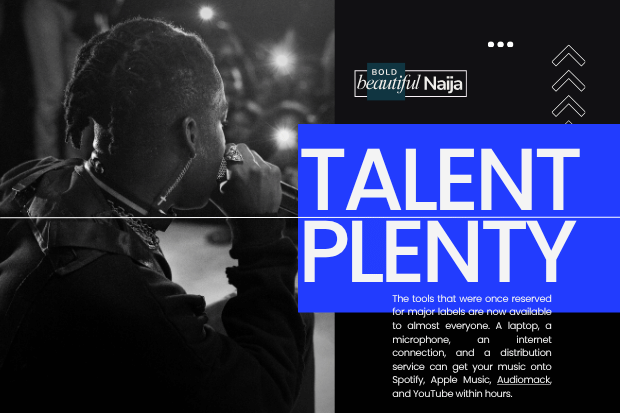
Figure 1: More artists can release music than ever before. Getting noticed is the real challenge.
That’s the part many artists don’t want to hear.
Right now, there are thousands of gifted singers, rappers, producers, and songwriters recording music from their bedrooms, hostels, apartments, and home studios every single day. The tools that were once reserved for major labels are now available to almost everyone. A laptop, a microphone, an internet connection, and a distribution service can get your music onto Spotify, Apple Music, Audiomack, and YouTube within hours.
The barrier to entry has collapsed.
The barrier to attention hasn’t.
In fact, it’s getting worse.
According to industry data, more than 100,000 new tracks are uploaded to streaming services every day, and nearly half of all tracks on streaming platforms receive fewer than 10 plays in an entire year.
Think about that for a second.
Not bad songs.
Not unfinished songs.
Songs that simply never got noticed.
That’s why this conversation matters.
Take CKay.
Love Nwantiti wasn’t the only good Afrobeats song available when it exploded globally. Far from it. But clever distribution, user-generated content, remixes, and social media momentum helped turn it into a worldwide phenomenon.
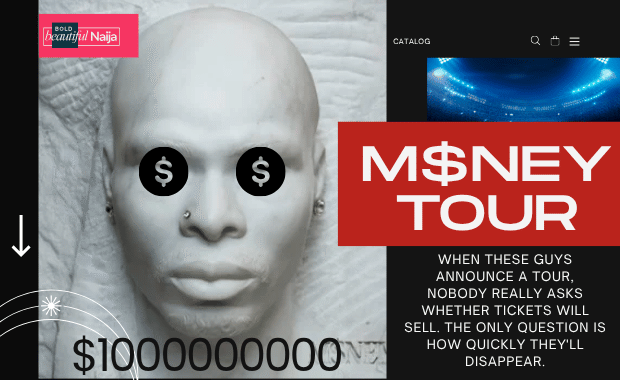
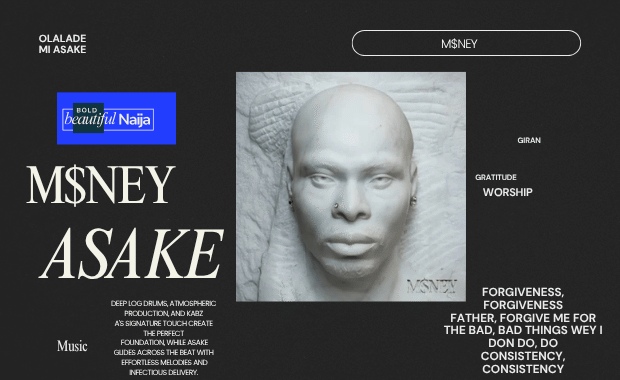
Look at Asake.
The talent was obvious. But so were the rollouts. The snippets. The anticipation. The constant visibility. The audience-building. Every release felt like an event before the full song even arrived.
Read also: The 5 Most Important Songs on Asake’s M$NEY Album
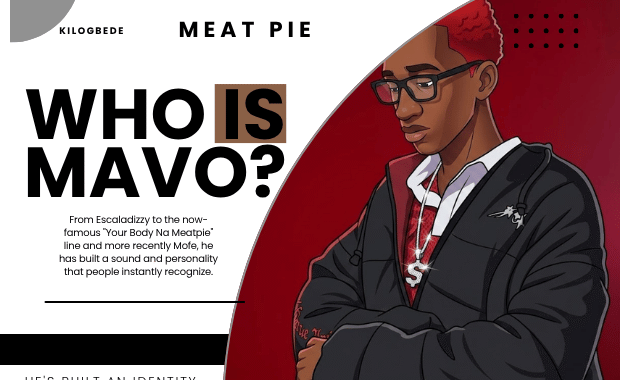
Even MAVO‘s rise tells a similar story.
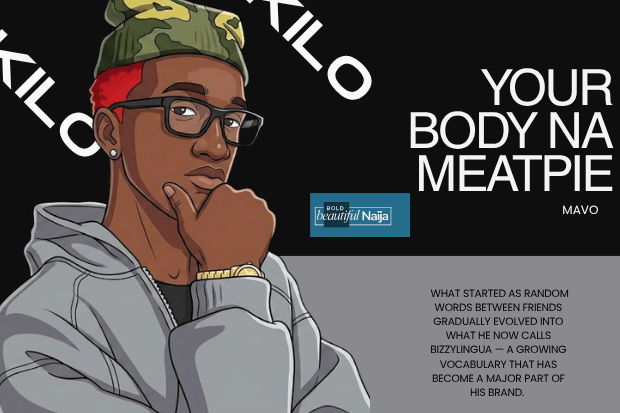
Figure 2: In today’s music industry, attention is often the difference between being heard and being overlooked.
The music matters, of course. But so do Escaladizzy, Shakabulizzy, Your Body Na Meatpie, and the culture built around those phrases. People weren’t just listening to songs. They were participating in a brand.
And that’s the shift. The music industry doesn’t have a talent shortage.
It has an attention shortage.
Because in a world where almost anyone can release a song, the real challenge is no longer making music. It’s making people care enough to press play.
Social Media Changed the Game
And that’s exactly where the story gets even more interesting.
Because if talent is no longer the scarce resource, then who decides which artists get heard?
In 2008, 9ice released Gongo Aso. His team went straight to the:
- Radio stations.
- DJs.
- Music executives.
- Television channels.
- Alaba promoters
Why?
Because a small group of industry gatekeepers largely determined which songs reached the public and which ones disappeared into obscurity.
Today, that power has shifted.
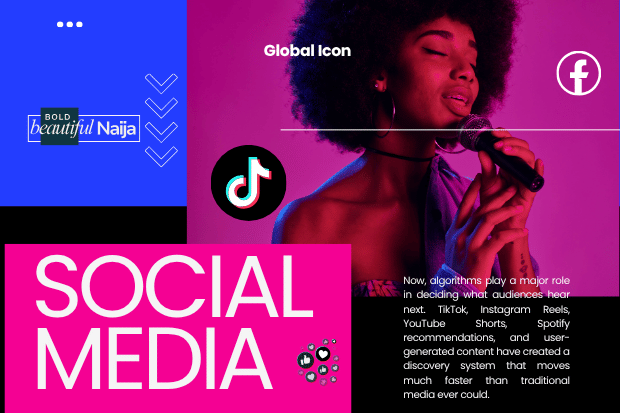
Figure 3: Today’s audience often discovers music online long before traditional media catches up.
Not completely. But significantly.
Now, algorithms play a major role in deciding what audiences hear next. TikTok, Instagram Reels, YouTube Shorts, Spotify recommendations, and user-generated content have created a discovery system that moves much faster than traditional media ever could.
And we’re seeing the evidence everywhere
Take Rema’s Calm Down.
The song gained enormous momentum across TikTok and short-form video platforms globally before becoming one of the biggest Afrobeats records in history. The track eventually surpassed 1 billion Spotify streams and helped introduce millions of new listeners to Afrobeats worldwide. Rema Calm Down
Then there’s Ayra Starr’s Rush.
Long before many traditional media outlets fully grasped its global reach, the song was already spreading rapidly through TikTok videos, dance content, and creator communities. The momentum helped push the record into charts across multiple countries and earned it international recognition. Ayra Starr Rush
The same thing happened with Kizz Daniel’s Buga.
The dance challenge exploded across social media, celebrities joined in, footballers posted videos, and millions of users created content around the song. By the time radio stations fully embraced it, the audience had already made their decision. Kizz Daniel Buga
That’s the new reality.
Radio used to tell audiences what was popular.
Increasingly, audiences tell radio what is popular.
A song catches fire on TikTok.
Read also: How Upcoming Nigerian Artists Blow on TikTok
Creators start using it. Instagram Reels picks it up.
Figure 4: TikTok has completely changed music promotion for Nigerian artists
YouTube Shorts amplifies it. Streaming numbers rise.
Only then do many traditional gatekeepers begin paying attention.
For upcoming artists, that’s a massive shift.
Because it means discovery is becoming increasingly audience-driven rather than industry-driven.
The listener now has far more influence over what becomes a hit.
And that’s why today’s audience often discovers music before the industry does.
The gatekeepers haven’t disappeared.
They’re just no longer the only people holding the keys.
The Best Song Doesn’t Always Win
Now comes the uncomfortable part.
Because once you accept that discovery is largely driven by attention, another truth becomes impossible to ignore.
The best song doesn’t always win.
In fact, sometimes it doesn’t even come close.
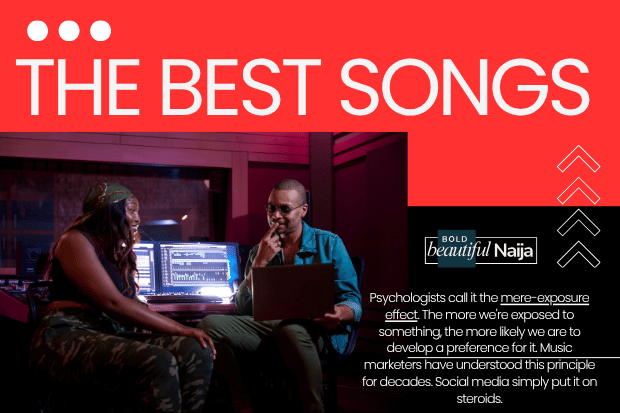
Figure 5: People can’t fall in love with a song they never hear.
We’ve all experienced it. You hear a song for the first time and wonder:
“This is the song everybody is talking about?”
A few weeks later, you catch yourself singing the chorus.
Not because the song suddenly became better, but you’ve heard it twenty times.
That’s the power of familiarity.
Psychologists call it the mere-exposure effect. The more we’re exposed to something, the more likely we are to develop a preference for it. Music marketers have understood this principle for decades. Social media simply put it on steroids.
Think about how many times a viral song appears in your day.
Familiarity creates interest
Interest creates streams. Streams create social proof.
And social proof attracts even more attention.
It’s a cycle. This is also why creators and influencers have become so valuable to modern music marketing.
A single creator with a highly engaged audience can sometimes introduce a song to more potential listeners than traditional radio could reach in days. When hundreds or thousands of creators start using the same sound, the effect multiplies dramatically.
Does that mean talent no longer matters? Of course not. A terrible song is still a terrible song.
But when two artists have comparable talent, the artist with better visibility almost always has the advantage.
That’s because listeners can’t fall in love with a song they’ve never heard.
And that’s the biggest lesson of all. Marketing doesn’t necessarily make a song better. It simply gives the song a chance to be discovered. And in today’s attention economy, discovery is often half the battle.
What This Means for Upcoming Nigerian Artists
So where does all of this leave the upcoming artist sitting in a hostel room in Benin, a bedroom in Lagos, or a home studio in Port Harcourt?
It leaves you with a new reality.
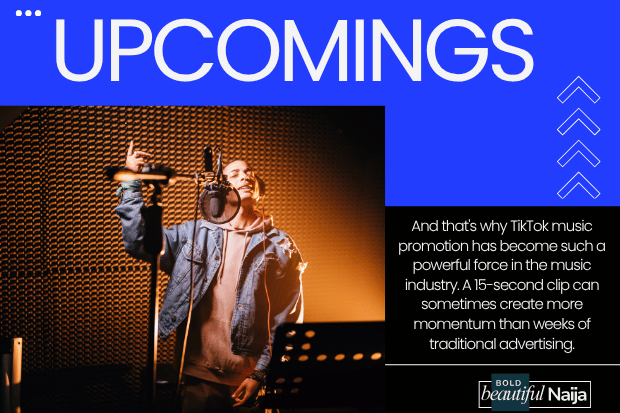
Figure 6: Modern artists must learn marketing, branding, and audience building alongside making music.
Making the song is only half the job.
Getting people to care about the song is the other half.
And whether you like it or not, both jobs now belong to you.
That’s why many of the fastest-growing Nigerian artists aren’t waiting until release day before thinking about promotion. They’re building an audience long before the song arrives.
They’re posting snippets, testing hooks, documenting recording sessions and telling stories.
By the time the record finally drops, people already feel connected to it.
That’s the power of modern music promotion.
And that’s why TikTok music promotion has become such a powerful force in the music industry. A 15-second clip can sometimes create more momentum than weeks of traditional advertising. One creator can introduce your sound to thousands of people. Hundreds of creators can introduce it to millions.
But promotion isn’t only about TikTok
It’s also about music branding.
- What do people associate with your name?
- What do you stand for?
- What makes you memorable?
- Why should someone choose your music over the thousands of other songs released this week?
These are branding questions.
And every successful artist eventually has to answer them.
That’s especially important for independent musicians, who often don’t have the luxury of major label budgets. In many cases, social media marketing for artists has become the most affordable way to reach new audiences and drive music discovery.
The good news?
- You don’t need millions of naira to start.
- You need consistency.
- You need strategy.
And you need to stop treating promotion as something that happens after the music is finished.
Because that’s the biggest shift of all.
In today’s music business, artist promotion is no longer separate from the music itself.
It is part of the music.
And the earlier Nigerian artists understand that, the faster their music talent has a chance to find the audience it deserves.
Disclaimer
This article contains editorial analysis and opinion based on publicly available music industry data, streaming trends, artist releases, and audience behavior. Examples used throughout this article are intended to illustrate broader changes in music discovery, marketing, and consumption. Streaming numbers, platform algorithms, chart positions, and audience preferences may change over time as the industry continues to evolve.
Up Next
Read Next: The Top 5 Albums in Nigeria in 2026 (So Far)