
Before Gen Z came along, the formula was straightforward.
Record a song. Get radio airplay. Hope the audience catches on.
For years, that was how hits were made. Radio presenters, DJs, music executives, and Alaba marketers acted as the gatekeepers between artists and the public.
But that playbook has changed.
A growing number of Nigerian artists are no longer waiting for any gatekeeper to decide whether their music deserves attention. Instead, they’re launching highly targeted TikTok campaigns that can put a song in front of millions of potential listeners within days.
In this Bold Beautiful Naija guide, we break down how upcoming artists are using TikTok to manufacture demand, create viral moments, and build audience momentum without relying entirely on traditional radio promotion.
The Gatekeepers No Longer Control Discovery
OGs like Olamide Baddo or Wizkid will tell you that breaking into Nigeria’s music industry was almost impossible if you didn’t have access to the right people.
Figure 1: Radio influence giving way to algorithm-led music discovery.
That’s because Radio presenters controlled playlists. DJs controlled club rotations. Alaba marketers influenced distribution. And if your song couldn’t pass through those channels, getting noticed became an uphill battle.
That system created gatekeepers. Not necessarily because the music was bad. Sometimes artists simply lacked the industry relationships needed to get heard.
But social media, especially TikTok, changed the flow of discovery completely.
Today, an artist can upload a 15-second snippet, spark a trend, and place their music directly in front of millions without waiting for radio approval first.
And that’s exactly what’s happening.
Look at CKay. His song Love Nwantiti became one of the biggest global Afrobeats records after exploding on TikTok through challenges, remixes, and user-generated content. The song’s viral growth online dramatically expanded its reach before traditional gatekeepers could fully dictate its trajectory.
The same pattern appeared with songs like Buga by Kizz Daniel and Tekno and Kulosa by Oxlade, where TikTok virality became a major force behind public awareness and audience demand.
And that’s the biggest shift. Radio used to tell audiences what to listen to.
Now audiences increasingly tell radio what’s already popular. Algorithms have created a system where discovery is becoming audience-driven instead of gatekeeper-driven. If enough people engage with a sound, recreate content around it, and push it through the platform, momentum starts building organically. For the first time, artists can generate demand before industry gatekeepers even get involved.
And once the audience starts moving first, the industry usually follows behind.
The Rise of the TikTok Mini-Campaign
If there’s one thing Nigerian artists have figured out, it’s this:
Figure 2: Audience engagement now drives what becomes popular.
The promotion no longer starts after the song drops.
It starts before the song even exists in the public’s mind.
A few years ago, artists would record a song, release it, then begin the marketing push. Today, many are doing the exact opposite. They’re building anticipation first and releasing the full track later.
That’s where the TikTok mini-campaign comes in.
You have probably seen it countless times without even realizing it.
An artist uploads a 15-second snippet. A week later, a few creators are using the sound. Then comes a dance challenge. Behind-the-scenes studio clips start appearing. Influencers begin posting reactions. Fans start asking when the song is dropping.
Suddenly, a song that hasn’t even been released yet already feels familiar.
And that’s the goal.
By the time the full track arrives on streaming platforms, thousands of people have already heard the hook multiple times.
The smartest artists also mix different content formats into these campaigns. Some use dance trends. Others lean into comedy skits, memes, lifestyle content, countdown videos, fan reactions, or behind-the-scenes footage from recording sessions.
Every piece of content serves the same purpose:
Create curiosity.
Because curiosity creates conversation. And conversation creates demand.
This is why you’ll often notice Nigerian artists promoting a particular section of a song weeks before release. They’re testing audience reactions in real time while simultaneously building momentum around the strongest part of the record.
In many cases, the audience already knows the chorus before the song officially hits Spotify or Apple Music.
That’s a massive advantage. Because today’s biggest records aren’t always discovered after release. Many of them are marketed before they’re released.
What This Means for Upcoming Artists in Nigeria
Now, what does all of this mean if you’re an upcoming artist trying to break through in Nigeria?
Figure 3: Artists must now think like marketers, not just musicians.
Simple.
You can no longer afford to think of social media as an optional extra.
It’s part of the music business now.
The good news is that you don’t need a major label, expensive radio campaign, or industry connections to start building momentum around your music. What you need is attention.
And attention can be manufactured.
Start documenting your journey early. Share snippets. Test hooks. Show studio sessions. Tell stories around the song. Let people feel involved before the release date arrives.
Most importantly, stop thinking like a musician only.
Start thinking like a marketer too.
Because in today’s music industry, the artists winning aren’t always the most talented. They’re often the ones who understand how to create anticipation.
The smartphone in your pocket is now one of the most powerful promotional tools available to any upcoming artist.
The question is whether you’re using it like one.
So, Do You Just Post Snippets and Go to Sleep?
Not quite.
Figure 4: The difference is that the money is now being spent differently.
And this is where many upcoming artists get the wrong idea.
TikTok has made music promotion easier, but it hasn’t made it effortless.
Uploading a few snippets and hoping the algorithm performs miracles is not a strategy.
You still need a budget. Not omo baba olowo, Davido type of budget but something substantial.
And yes, sometimes you still need support from people who already have influence. If Don Jazzy posts you on his stories, jackpot!
The difference is that the money is now being spent differently.
Instead of paying heavily for traditional radio rotations, many artists are putting resources into creator campaigns, influencer seeding, targeted ads, content production, and audience testing.
Why?
Because attention has become measurable.
If a particular sound is performing well, you can put more fuel behind it. If audiences aren’t responding, you can adjust before spending millions on a full rollout.
And let’s be honest.
Many of the songs you think “blew up organically” on TikTok had serious marketing efforts happening behind the scenes.
Creators were contacted.Content was commissioned. Influencers were activated.
The internet reduced some gatekeepers, but it didn’t eliminate the need for promotion.
What it did do was give artists more control over where their marketing budget goes.
Today, a smart campaign with the right creators can sometimes outperform a radio budget that would have cost significantly more.
So no, you don’t just post snippets and go to sleep.
You still have to market the record. Not necessarily having a Tunde Ednut posts you on IG, but you still need repost from OGs.
The difference is that today’s artists have far more ways to do it than the generation before them.
Summary: Radio Doesn’t Own Discovery Anymore
As you can see, the biggest shift in Nigeria’s music industry isn’t necessarily better music or better technology.
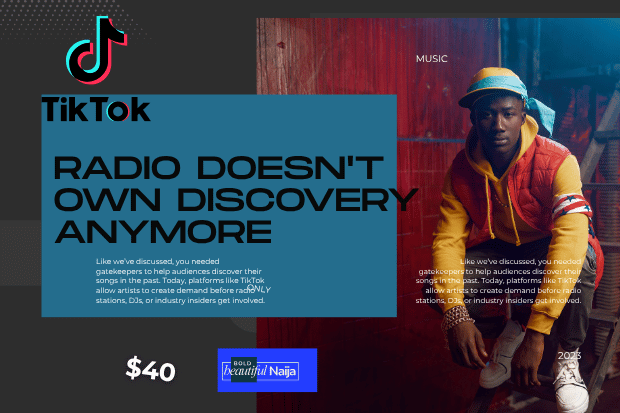
Figure 5: Success now blends sound quality, strategy, and digital reach.
It’s who controls attention.
Like we’ve discussed, you needed gatekeepers to help audiences discover their songs in the past. Today, platforms like TikTok allow artists to create demand before radio stations, DJs, or industry insiders get involved.
But don’t misunderstand the lesson.
TikTok isn’t a shortcut. It’s a marketing tool.
The artists winning today combine good music with smart promotion, audience psychology, creator partnerships, and consistent content.
Because in 2026, making the song is only half the job. Getting people to care about it is the other half. Good luck my friend.
Disclaimer
This article is intended for educational and entertainment purposes only. The strategies discussed are based on publicly observable trends within Nigeria’s music and digital marketing industries. Success on TikTok, streaming platforms, or traditional media channels is never guaranteed and may vary based on content quality, audience response, marketing budget, timing, and market conditions.
Up Next
Read next: Why Music Marketing Is Becoming More Important Than Music Talent